
· 7 min read
How to Start a Badminton Club in Canada: A Step-by-Step Guide
Book a gym, set a drop-in price, cap the courts, and fill your first session. A practical playbook for starting a badminton club anywhere in Canada.
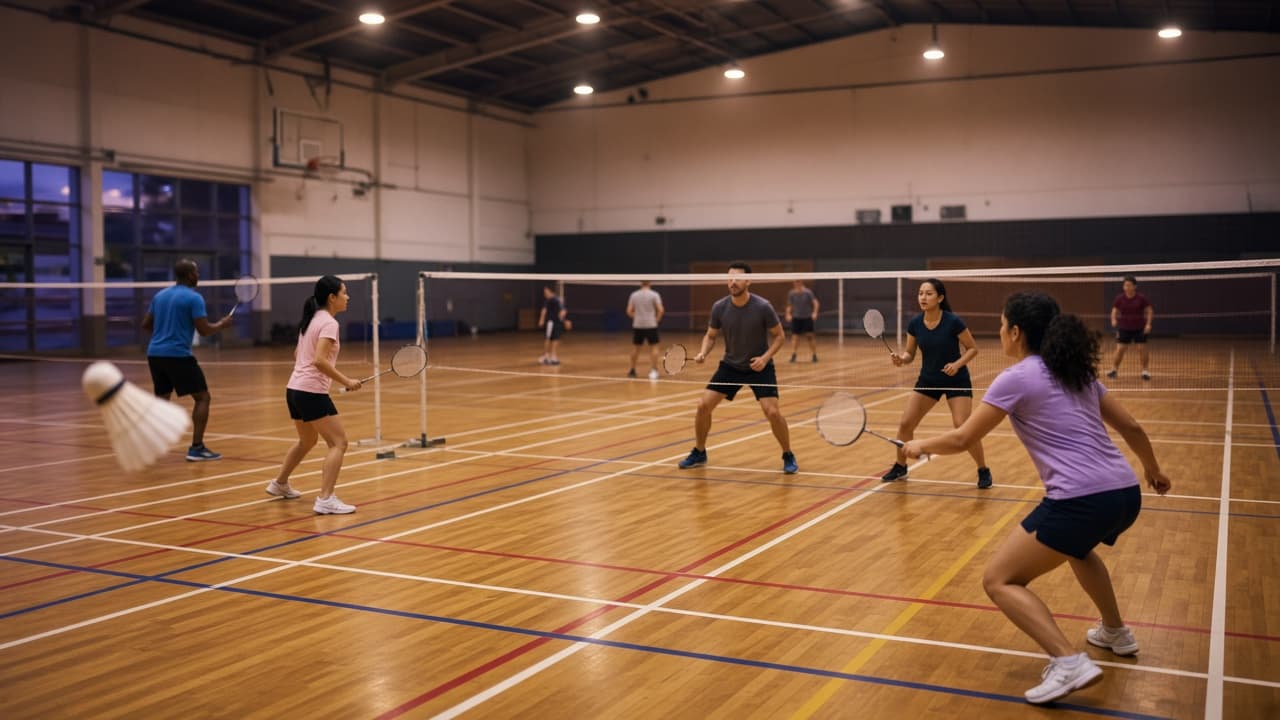
Most badminton clubs in Canada start the same way: a few friends who are tired of fighting for a court at the community centre decide to book their own. The jump from “a group chat” to “a club people pay to join” is smaller than it looks. You need a venue, a price, a cap, and a simple way to take registrations and money. This guide walks through each step in the order you will actually face them.
1. Pick your format before you pick a gym
Decide what a session looks like first, because it drives everything else. The three formats that work best for new clubs are:
- Drop-in nights: one weekly time slot, pay per session, rotate games on the courts. Easiest to launch and the easiest for new players to try.
- Seasonal memberships: players commit to 8 to 12 weeks up front. Better cash flow, harder to fill in your first season.
- Levelled sessions: separate beginner and intermediate nights so strong players are not stuck waiting on rallies that never get going.
Start with drop-in. You can add a season pass once you have 20 to 30 regulars who show up most weeks.
2. Find and book court time
School gyms, community centres, churches, and university rec facilities rent gym time by the hour. A standard school gym usually fits three or four badminton courts. Call the facility booking office, ask for an evening slot on a weeknight, and ask about these up front:
- Whether nets and posts are included or you need to bring your own.
- Liability insurance requirements. Many municipalities ask renters for a certificate of insurance.
- Cancellation rules for holidays, exams, and school events that bump renters.
- Whether you can lock in the same slot for a full season.
3. Set a price that covers the gym and then some
Work backwards from your costs. Add the hourly gym rate, shuttles, and any insurance, then divide by the number of players you expect on a realistic night, not a full night. Four courts with doubles rotation comfortably fits 16 to 24 players. If the gym costs $90 for two hours and you budget for 15 players, a $10 drop-in leaves room for shuttles and the occasional slow week.
Round to a clean number. Odd prices like $7.35 create mismatched payments and extra admin.
4. Cap the night and keep a waitlist
Overcrowding is the fastest way to lose players. Nobody comes back after sitting out four games in a row. Set a hard cap per session and run a waitlist behind it. When someone cancels, the next person moves up. A cap also creates healthy urgency, because players register early instead of deciding at 6 p.m. on the night.
5. Take registrations and payment in one place
Spreadsheets and group chats break the moment you have more than one session a week. Use one link where players see the date, the spots left, and the price, and pay when they register. HostMyClub gives every club a public page with upcoming dates, caps, waitlists, and payment at registration, so you always know who is in and who has paid.
6. Fill your first three sessions
- Invite your existing group and ask each person to bring one friend.
- Post in local Facebook groups, Reddit city communities, and your neighbourhood's sports channels with the date, level, and price.
- Make the first session beginner friendly and say so. Beginners bring friends; advanced players come once you have courts full of games.
- Take a few photos (with permission) and put them on your club page. A club that looks active gets more signups.
7. Keep it running
Consistency beats everything. Same night, same time, same place. Send a short reminder the day before, publish the next few weeks of dates so regulars can book ahead, and keep your cancellation rule simple. Within a couple of months you will know whether to add a second night, split by level, or move to a bigger gym.